
The Equine Photography Course
Learn to photograph horses the way professionals do
The right positions, the right settings, and the business skills that most photographers never learn. These are delivered as a growing archive of articles you can access at your own pace.
Join the equine photography course today!
Would you prefer personal 1-to-1 tuition and advice? If so, have a look at my mentoring options to see if they might be more what you are looking for.









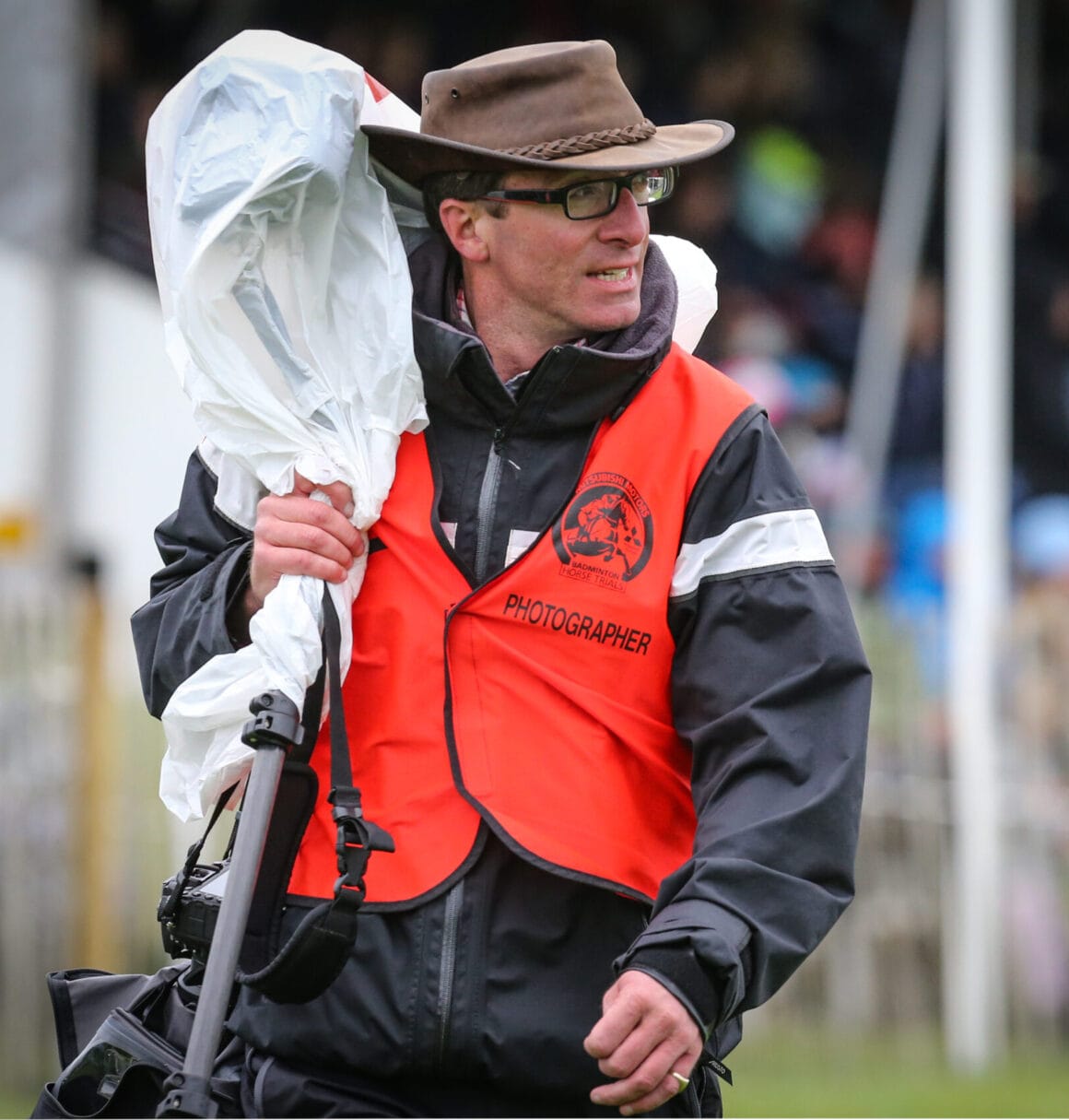
Nico Morgan —
many years in the field
I’m an internationally renowned freelance equine photographer, commercial and editorial photographer, living in the Vale of Belvoir in rural Leicestershire.
I was previously a secondary school teacher with 14 years experience, before taking up equine photography up full-time twenty years ago.
My work has been published all over the world. Credits include the BBC, The Times, Sky News, ITV, The Telegraph, Horse & Hound, The Daily Mail, Tatler, The Field, Country Life, Insights, British Evening Life, British Showjumping, British Airways High Life, Chronicle of the Horse, Horse Sport, Show Circuit, Town & Country and many more. My work has featured on several book covers and inside many more.
I’m also a professional web designer and SEO, which means the business and marketing side of equine photography gets as much attention in this membership as the technical side.
Everything inside the equine photography membership
20+ guides in the archive so far, with at least 6 new articles added every year. Members-only content is shown below – some other articles are available free so you can judge the quality before joining.
Show walkthrough – Dublin Horse Show
Equine Portraits 101
How to photograph horse racing
Using remote cameras for horse photography
The best websites for photographers
Where can I practise my Equine Photography and what can I publish afterwards?
7 Ways to make money from equine photography
Show jumping Camera Settings – Quick Guide
1st Class Equine Photography Training
How to photograph cross country fences UPDATED
How to photograph Dressage
How to get noticed for your equine photography
What are the best lenses for horse photography?
Why you should not give away your images (anywhere)
Badminton Horse Trials Photography
How to photograph showing
Photographing Horses Indoors
Use Adobe Lightroom presets to export social media images
Event Photographer’s Checklist
Which Camera and lens should I buy for equestrian photography
Image Management and Backup for photographers
Equestrian Photography Workflow 2: importing & editing in Lightroom
Equestrian Photography Workflow 1: Metadata for SEO
What you get as part of the equine photography membership
Full Archive - immediate access
Every article ever published becomes available the moment you join. No drip-feeding, no locked levels.
At least 6 new articles every year
The archive keeps growing. New guides are published throughout the year, weighted toward the off-season when more time allows.
Discipline-specific depth
Cross-country, dressage, showjumping, showing — each discipline has its own techniques, positions, and timing. All covered.
Business & career guidance
Accreditation, pricing, marketing to equestrian clients, social media — the commercial side of the job, not just the creative.
Private members Facebook group
Ask questions, share work, and connect with other equestrian photographers. A community of people working at the same thing.
Article input
influence the content I produce by submitting ideas for new topics which woul benefit everyone.
Anything you wanted to ask?
Straight answers about my equine photography membership, the content, and whether it's right for you.
What makes this course different?
Most equine photography courses are built around one thing: portraits. A horse at golden hour in a field. That’s a legitimate subject, but it’s a fraction of what equestrian photography actually covers — and it’s nowhere near the content that gets published, licensed, or commissioned.
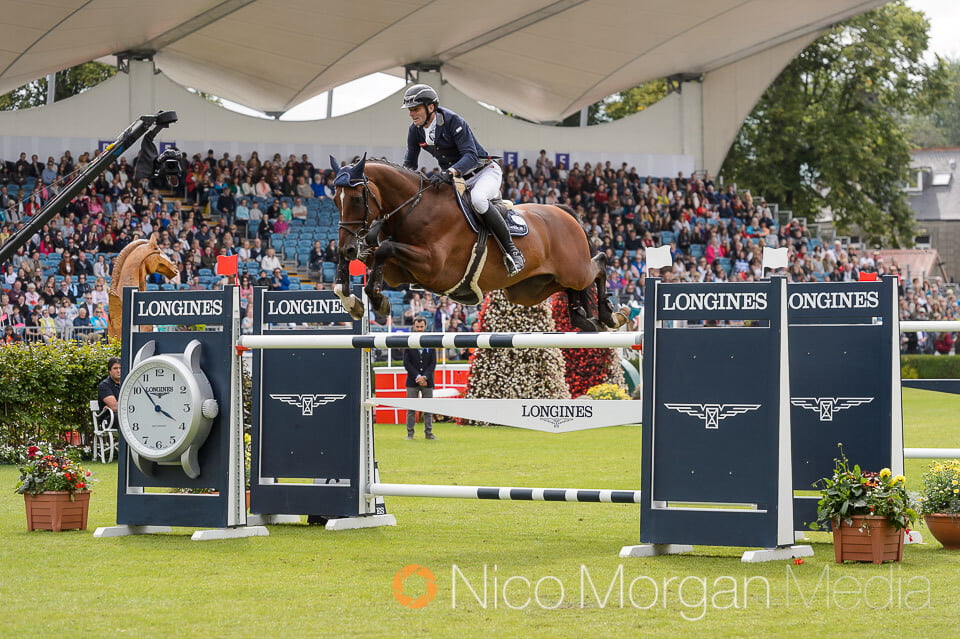
This membership covers the full range of disciplines: cross-country, dressage, showjumping, showing, racing, polo. Each one has its own timing, its own positioning logic, its own lighting challenges. That’s what separates photographers who can work anywhere from those who can only work in one setting.
The trainer doesn’t just attend the UK’s top events — he works for them and their sponsors. Nico is accredited at Burghley, Badminton, Royal Windsor, Dublin Horse Show, and major showjumping and dressage championships across the UK and Ireland. You’ve seen the name. You may not have heard of other people teaching similar courses.”The business and marketing content is equally thorough — because knowing how to shoot every discipline is only half the job.
Is this suitable for complete beginners?
Yes — and deliberately so. The archive includes foundational articles on camera settings, lens choice, and reading horse movement that assume no prior knowledge. You don’t need experience shooting horses to start; you need the willingness to be at the right place at the right moment, and the guides will help you work out where that is.
That said, the membership also covers material that working photographers find useful – accreditation, media centre workflow, licensing, and how to pitch to equestrian publications. Beginners and experienced photographers tend to find different articles most valuable.
How does this compare to attending a workshop or training day?
A workshop gives you one or two days with an instructor, usually in a single location with a controlled setup. They’re useful for hands-on confidence, particularly around portraiture. What they can’t give you is the accumulated knowledge of 35 years working across every discipline at the UK’s biggest events — because that can’t be compressed into a weekend.
The membership format means you can return to a guide the night before you shoot a new discipline for the first time, reference the positioning quick-cards at ringside, and revisit the business content when you’re ready to pursue accreditation or licensing. A workshop is a single session. This is a resource you keep using.
Most UK equine photography workshops are built around portrait sessions — a horse in a field, controlled light, cooperative subject. That’s genuinely useful if portraiture is your focus. If you want to shoot cross-country, dressage, showjumping, or racing — at real events, in real conditions — the workshop format doesn’t cover it, and most instructors haven’t worked at that level themselves.Do you offer one-to-one mentorships?
Yes I do, and I would highly recommend it for someone who wants a more one-to-one experience.
Find out more on the mentorships page.
Summary
A structured but flexible weekly Teams call — 60 to 90 minutes — where I review you work, discuss technique, and set focus areas for the following week. Between calls, you submit images for written feedback via email or a shared folder. I answer any questions you have as time zones allow.
The curriculum will loosely follow: basics, shooting and vision, then post-processing, then the business and presentation side.
Can you help me with gear questions?
Yes. The membership includes a dedicated guide on lens selection for equestrian photography — which focal lengths work for which disciplines, and why — as well as a full guide on using mirrorless cameras, which handle horse photography somewhat differently to DSLRs in terms of autofocus behaviour and buffer management.
Members in the private Facebook group also ask gear questions directly, and get answers based on real-world equestrian use rather than generic photography advice. The short answer on most gear questions: your lens choice matters far more than your camera body, and the right choice varies significantly by discipline.
Can you actually make money as an equine photographer in the UK?
Yes, but the range of income is enormous, and it depends almost entirely on how you work. Photographers who shoot portraits only, selling prints to individual owners, tend to operate at the lower end, but the good ones earn decent money. Photographers who combine event work, commercial commissions, editorial licensing, and direct image sales operate at a completely different level.
The membership covers both sides: the technical skills that make your images licensable and commercially valuable, and the business knowledge — pricing, accreditation, how to approach equestrian brands, how to pitch to publications — that most photographers never acquire. Income in equestrian photography is less about talent and more about knowing how the industry actually works.
The trainer’s income model spans event photography for major shows and their sponsors, editorial and commercial commissions, portraits, direct image licensing, and web and branding work for equestrian clients. The membership teaches from that breadth – not from a single income stream.Is the content UK-specific?
The trainer is UK-based, in Leicestershire, and the events referenced throughout the content are primarily UK and Irish — Burghley, Badminton, Dublin Horse Show, British Showjumping championships, British Dressage, and others. The accreditation guidance covers how the UK equestrian press and governing bodies operate.
The photographic technique is universal. Cross-country fence positioning is the same whether you’re at Badminton or Kentucky. Members from outside the UK find the technical content fully applicable; some of the business and accreditation specifics are more UK-centric.
What's your single top tip?
That one’s easy.
Do some work for an event photographer.
Why? Because you will learn very quickly what riders want to buy and what they think is not good. Overhearing riders discussing photos is a chastening experience sometimes, but always a good way to improve.
You will also work alongside professionals who you can tap for relevant information and lessons they have learned over the years.
Every equine discipline,
covered properly
 Cross Country
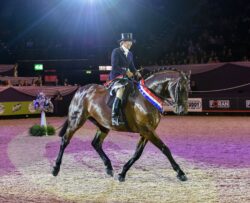 Showing
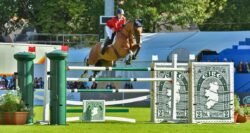 Showjumping
Cross Country
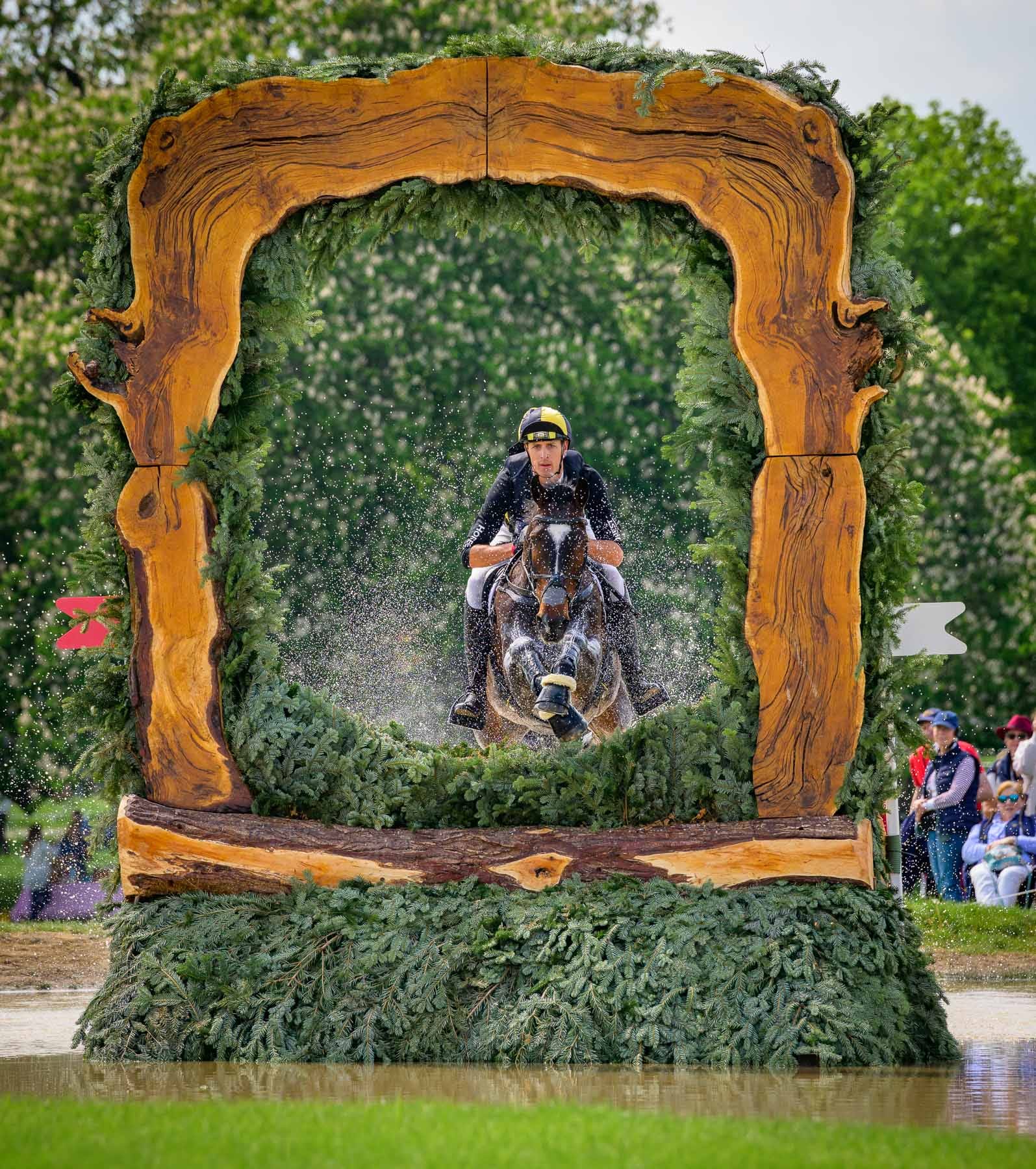
Fence selection, angles, managing light, and timing horse and rider in the air. One of the easier disciplines to shoot, and the one most likely to get you published in the national equestrian press.
Dressage
Reading the test before you shoot. Knowing which movements photograph well, where to position yourself for them, and how to time the most flattering moment with a single frame.
Showing
Ridden showing classes on the flat, working hunters over poles, in-hand presentation and driven classes. Probably the hardest discipline to master.
Showjumping
Reading your course and choosing the fences which will jump best. The quick-reference guide for show jumping is one of the most used resources in the archive.
Racing & Polo
High-speed disciplines with restricted access and narrow windows of opportunity. The guides cover where to stand, how to work within media restrictions, and how to get usable images in tricky conditions.
Equine Portraits
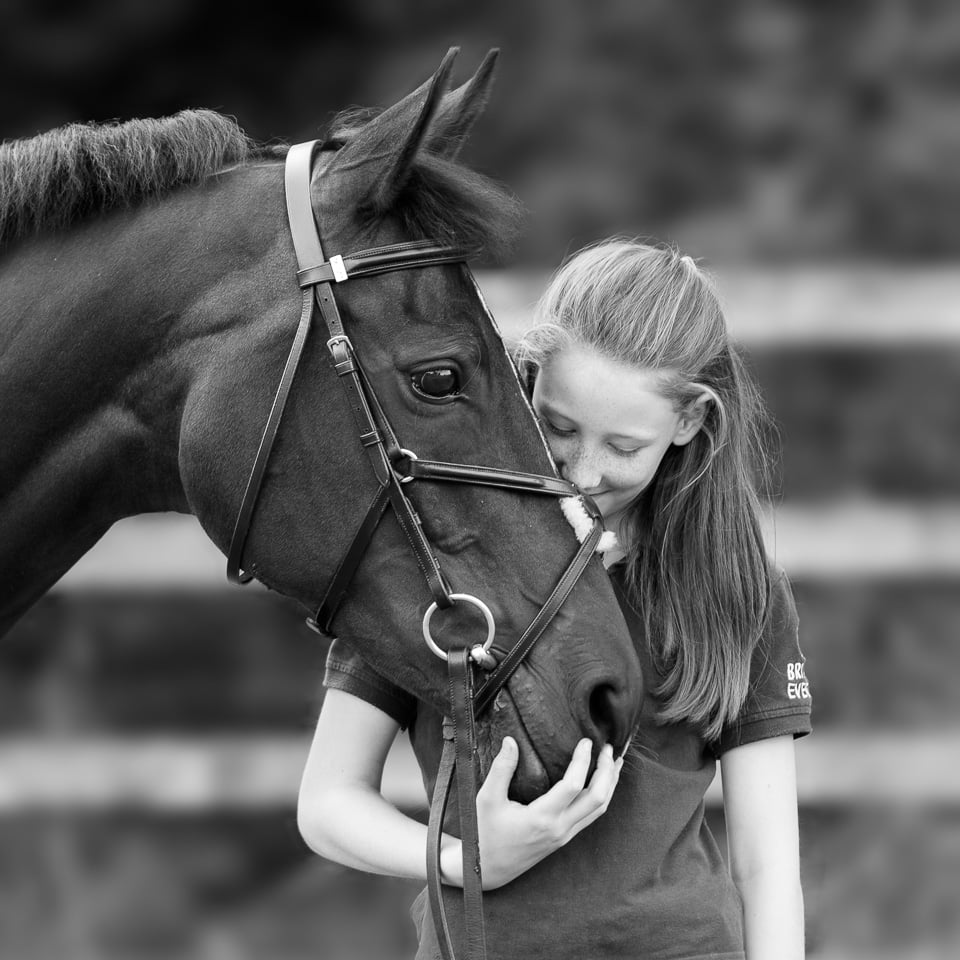
Location, light, and horse behaviour, in the field and in the stable. The portrait guides cover both the creative decisions and the practical ones: how to handle an unpredictable subject, and how to produce images clients will actually buy.
Content growing
all the time
Off-season live Q&A sessions
A small number of live sessions each year, October through February, where members can ask anything. Recorded and archived for those who can't attend.
Uncovered: the story behind the cover shots
COMING SOON: a specific analysis of what went on behind the scenes for a selection of specific front cover images, so you can take them too.
Image critique & feedback
Submit images for written professional feedback. The kind of structured critique that previously required paying for a one-to-one session.
Downloadable event-day field guides
PDF quick-reference cards for each discipline — settings, positions, and timing cues you can have on your phone at ringside.
Simple honest pricing
- Single one-off payment
- Limited time offer while course is growing
- Full archive access from day one
- All new content as published
- Private members Facebook group
- Q&A sessions & field guides when live
A lot of knowledge.
Learned at your pace.
Equestrian photography is one of the most technically demanding disciplines. Let's work on it together.
Join the Equestrian Photography Course