
What is trail hunting? What is drag hunting?
The TL;DR: trail hunting uses an animal-based scent such as fox urine, while drag hunting uses an artificial scent such as aniseed. The scent is the headline difference — but the two activities differ in character, pace and culture.
Is drag hunting being banned?
No. The Labour Government’s proposed legislation targets trail hunting specifically, not drag hunting. The two are frequently confused — including, remarkably, by an RSPCA spokesperson in a national radio interview following the December 2025 Animal Welfare Strategy announcement.
In December 2025 the Labour Government in the United Kingdom published their Animal Welfare Strategy, a raft of potential legislation it wishes to pass into law by 2030, before which there will be a General Election.
The document covers changes to the law covering pets, farm and wild animals, but the plans which made the most media headlines in the week which followed were those concerning the banning of trail hunting.
Hounds used for legal hunting in the UK
Some breeds of hound used for legal hunting in the UK will be familiar and bear a strong resemblance to their domestic pet equivalent. Others do not. Many do not lend themselves to life as a domestic pet at all and herein lies a rehoming problem which will need to be addressed.
Bassets and Beagles
Packs of Bassets and beagles can be used legally in the UK for hunting rabbits or for trail hunting as described below. Basset and Beagle packs do not involve horses.


Bloodhounds
Bloodhounds are large black and tan hounds who have been bred to use their excellent olfactory abilities to follow the scent of human beings. They are used by search and rescue teams around the world and have little or no interest in chasing other mammals.
Bloodhounds are used by bloodhound packs, otherwise known as “hunting the clean boot”.

Fox hounds
Fox hounds, as the name suggests, have been bred in the UK to Hunt foxes. They fall into two broad categories, the Old English Fox Hound – a thick set tri-coloured hound with more tan and black – and the Modern English Fox Hound – generally lighter in colour and weight.
Foxhounds of both types continue to be used by trail and drag hunting packs in the UK.


What is the difference between drag hunting, trail hunting and hunting the clean boot?
The Labour Government’s Animal Welfare Strategy sets out to ban trail hunting, with no reference to either drag hunting or hunting the clean boot. We know from the exchanges in the debate in the House of Commons on 1st April 2025 that this will be an important area for discussion.
To illustrate why it might be easy to mix up the different forms of hunting, let’s start with the similarities.
- All styles of hunting follow trails laid in advance.
- Trails may be laid behind a quad bike, behind a horse or by a human runner.
- These “lines” are agreed in advance with the land owners and are not followed without permission, contrary to the myth often quoted by people opposed to the activity.
- All types of hunting use a pack of hounds controlled by a Huntsman and a Whipper-In.
- Trail hunting, drag hunting and Clean Boot hunting have a mounted field of followers led by a field master, whose job it is to lead the way behind the huntsman incorporating jumping efforts for those in the field who wish to jump them.


Bloodhound packs – “hunting the clean boot”
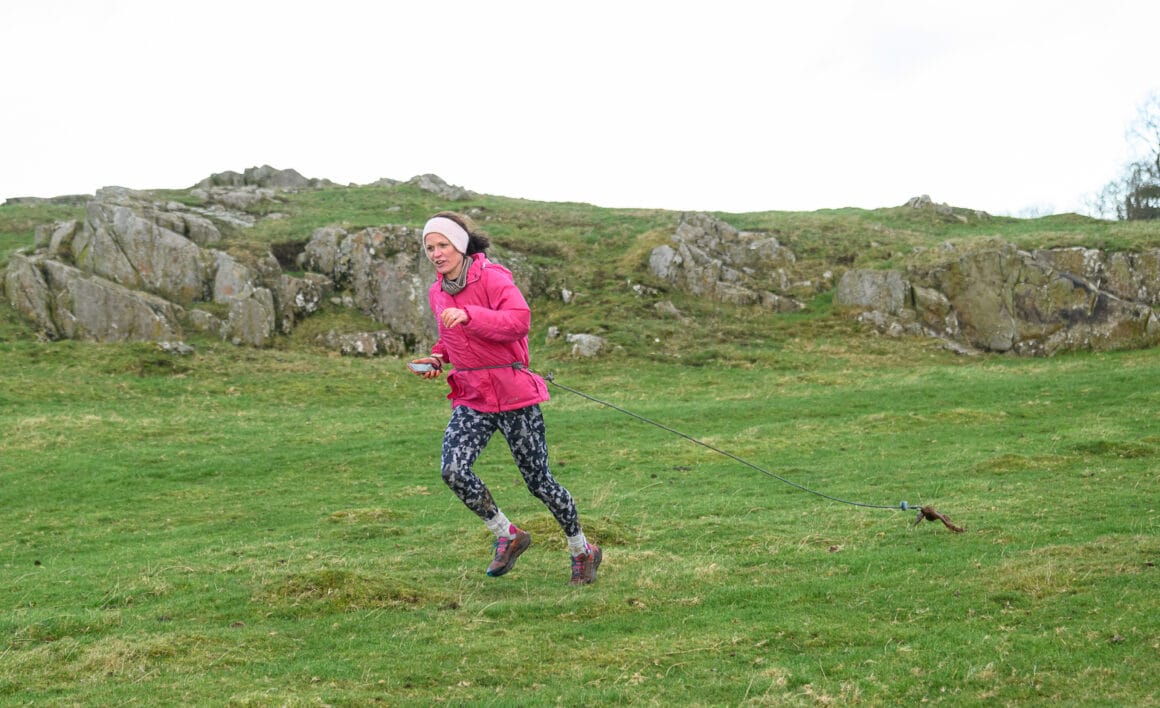
People who follow Bloodhounds often refer to themselves as hunting the clean boot. This is a reference to the fact that a human is hunted and not an animal.
Bloodhound packs create their lines using runners who do not need to trail a rag covered in scent because the Bloodhounds will follow the scent of the runner themselves. At the end of each line the hounds often catch up with the runner and, far from that being a problem, usually reward a runner with lots of slobbery kisses.
Drag and Trail Hunting
Both drag and trail hunting packs usually use fox hounds to follow the lines set by the trail layers. While some drag packs will breed their hounds, many inherit their hounds from trail hunting packs.
There is only one key difference between drag hunting and trail hunting. The scent used to create trails for a drag hunt is non-animal based, usually something like aniseed. The scent used by trail hunts to create their lines is animal based and usually something like hound or fox urine.
Although drag hunts existed before the fox hunting ban of 2004 many hunts which now utilise drag hunting were previously traditional fox hunting packs.
So what is the problem?
Opponents say that trail hunting – with an animal-based scent – can be used by some as a smokescreen for the illegal hunting of foxes. They say that trails are sometimes laid near natural fox habitats and then hounds are not stopped from hunting their natural prey if they encounter one.
The Police suggest that because the Hunting Act has various exemptions it is difficult and time consuming to enforce.
Defendants point out that while it has been very successful at protecting some other mammals the Hunting Act has resulted in very few convictions against registered hunts compared to the thousands of days of hunting which take place each year.
Why do people do it?
A common comment under my photos is, “why is this even a thing?”
A lot of human pastimes would look odd to a visiting extraterrestrial. Why do people get so excited about kicking a leather ball around grass field, for example? It’s tribal and there is a community.
Following hounds holds two specific attractions to those who do it. Some follow to watch hounds work on a trail. Conditions dictate that trails are sometimes very strong and easy to follow and other times fade in the wind or because of atmospheric conditions. Watching hounds work to rediscover a trail is fascinating to many.
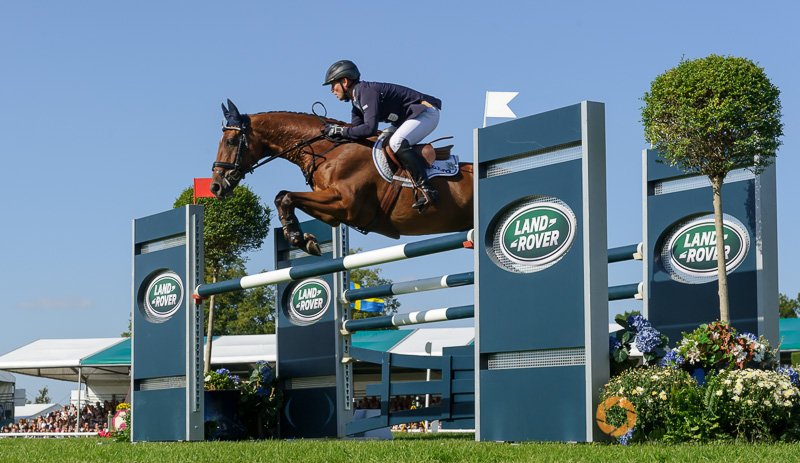
The followers in the mounted field also come for an opportunity to ride their horse around countryside they don’t normally get to see, and in many cases to jump the natural and man-made obstacles which the organisers have included in the trail lines. This has a particular relevance to me as a hunting photographer. If I look at the planned routes and put myself at one of the better obstacles, I can get good images of people jumping which they are keen to buy afterwards.
Hunting of all sorts has a community which goes with it. Not only is a day of hunting, of any sort, a social occasion where people catch up with their friends, but around that is a network of other businesses to whom the activity is beneficial.
What Next?
Labour have started a consultation period and any legislation announcement will follow that.
About the Author
I have never ridden with a hunt but grew up with family and friends who do. I spend some of my time in the winter months photographing hunts in the East Midlands and would be one of the many people financially affected by a ban. On my website you can find photographs from a large number of different drag, trail and bloodhound packs.
Comments